Failure analysis / tribology
Toyota 2AZ-FE Failure Analysis
A literature-based investigation into the Toyota 2AZ-FE oil-consumption condition, the piston-ring physics behind it, and the testing needed to reduce the risk of a repeat failure.
Read the full paper- Role
- Researcher and Author
- Timeline
- March 2024 · revised October 2026
- Type
- Technical literature review and failure analysis
Project media
Problem
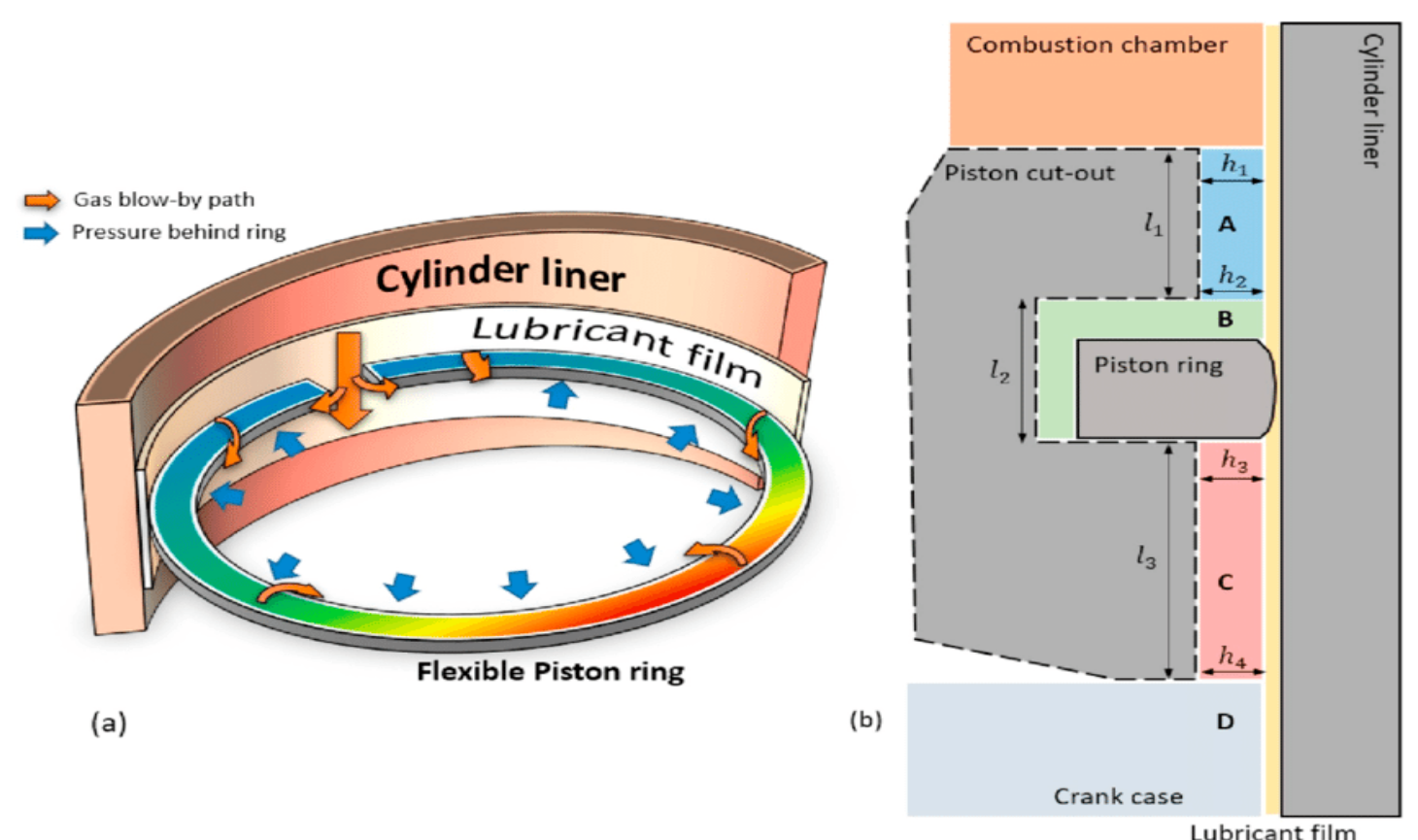
Explain the excessive oil-consumption condition documented in Toyota 2AZ-FE applications and determine which combination of piston-ring behavior, operating conditions, wear, and testing limits best explains the failure.
Constraint
Toyota's public service information confirms the condition and a changed piston assembly, but it does not publish the company's internal root-cause process. The analysis had to keep established evidence separate from mechanisms inferred from piston-ring research.
What I did
- Reviewed Toyota service bulletins alongside published work on ring-groove flow, transient oil transport, friction, and wear.
- Reframed the failure as a system-level oil-control problem involving pressure, groove geometry, lubricant flow, deposits, and wear rather than reducing it to ordinary fatigue.
- Separated FMEA from physical inspection methods and used it to map possible causes to specific validation tests.
- Compared ASTM piston-ring friction and wear tests with the conditions present in a firing engine, including thermal cycling, abrupt load changes, and sustained high speed.
Result
- Produced a defensible root-cause statement anchored in Toyota's documented piston-assembly change and supported by published ring-pack research.
- Proposed a validation plan that combines component testing with system-level engine testing across load, speed, temperature, oil age, deposits, and manufacturing tolerances.
Tools
Failure analysis · FMEA · Tribology · Technical writing